Why loudness is not “maximum”
Streaming catalogues target roughly -14 LUFS integrated on Spotify and similar elsewhere. A -8 LUFS master gets turned down; dynamics you bought with limiting disappear without extra punch.
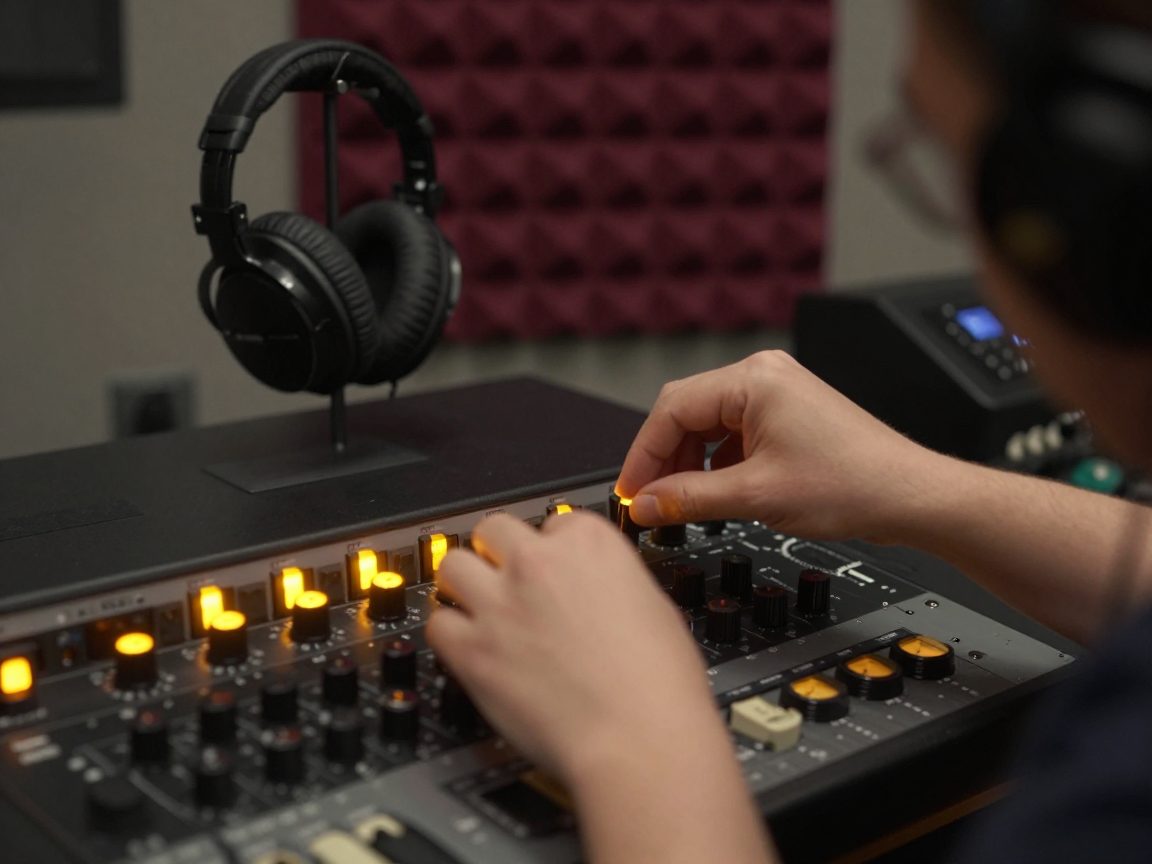
At Culticlayer we master for balance and translation on studio monitors, not for a plugin number that changes next year.
Integrated vs short-term LUFS
LUFS measures perceived loudness. Integrated across the song is what platforms use; short-term peaks show whether your chorus truly hits or is just squashed.
We balance verse and chorus without flattening — jazz and acoustic material can sit quieter than dance; mention genre in your intake email.
True peak and clipping
Inter-sample peaks can exceed 0 dBFS after lossy encoding. We keep true peak safely below 0 dBFS (often -1 dBTP) so AAC and Ogg stay clean.
If your mix arrives heavily limited, the mastering engineer has less room — send mix headroom as in delivering stems for mix.
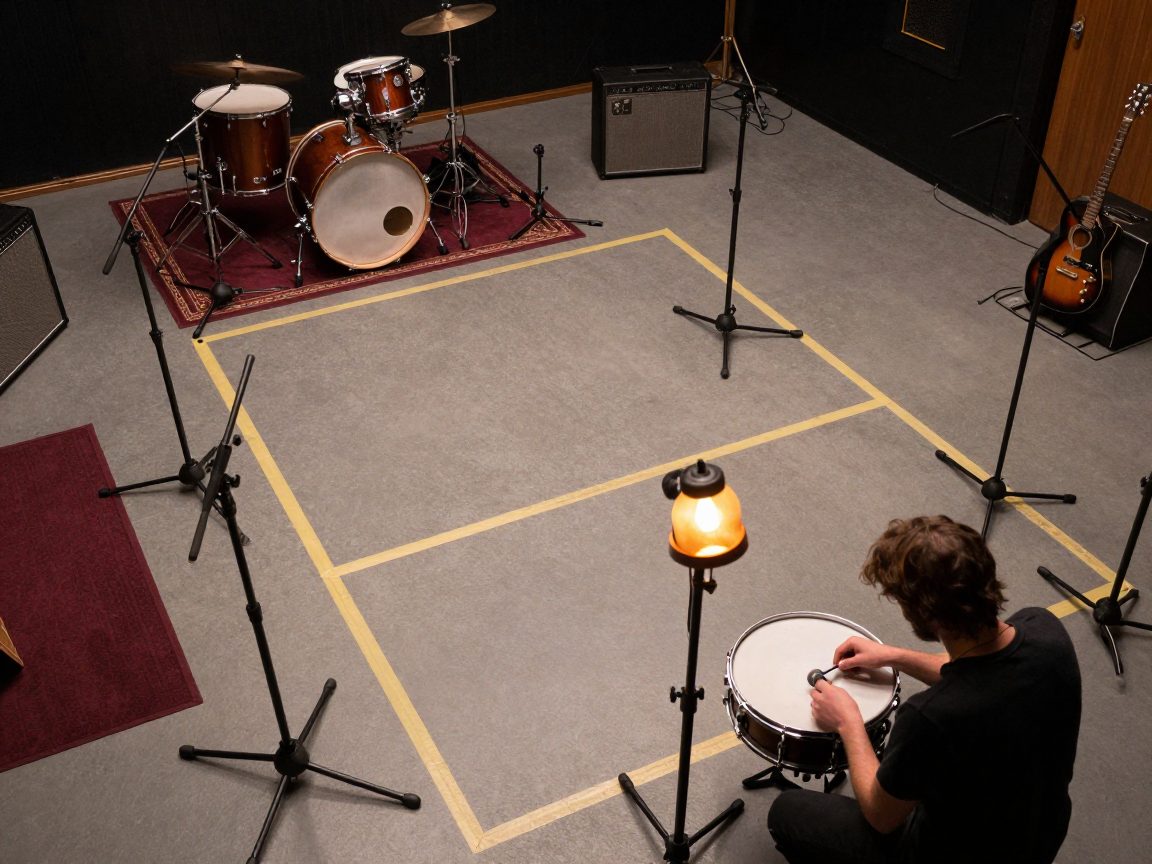
Our team includes dedicated recording and mix engineers who know the rooms at Bilderdijkstraat 112 in Amsterdam. Share a rehearsal video link in your booking — not for judgement, but so we anticipate drum sizes and amp count.
Session files stay on our systems for 18 months; download stems after the mix pass even if you plan a later Mastering round. Losing a drive should not mean losing the only copy of your multitrack.
Rates and revisions
Mastering is €68 per track or €520 for up to twelve album tracks. One revision round is included on the service page; extras follow our terms and your quote.
Send 24-bit wav upstream, not dithered mp3. Albums get consistent spacing and perceived level across songs.
Send one reference track near the loudness you want — not to copy another artist, but to align listening level on the same monitors.
Release practice in the Netherlands
Many Dutch independents use online distributors without pressing plants. Dutch or English metadata does not change loudness but affects credits — ISRCs come from the distributor.
Invoices include 21% VAT; business clients often pay within 21 days per terms.
Delivery formats
Default: 16/44.1 wav for release plus 24-bit archive. Instrumentals or MFiT prep on request via contact.
Talk shows use Talk and podcast recording with different loudness norms (speech near -16 LUFS is common); mix/master rates do not apply by default.
Listen before you go live
Check masters on earbuds, car speakers and a living-room box — not only studio monitors. Phone-only listening hides low-mid where bass and kick fight.
Questions? Call 020 737 4821 or email [email protected]. We reply within 3 business days. Bring a note if your distributor asks for specific peak or LUFS numbers — we align masters to spec when it is documented.
An acoustic singer-songwriter can keep more dynamic range than an EDM single; platforms still normalise, but listeners hear the punch difference. We measure LUFS and listen to crest factor — the gap between quietest and loudest moments.
Planning vinyl? Mention it at mastering — extra headroom and gentler limiting help the cut. Vinyl is niche in 2026, but Amsterdam labels still ask for short runs.
Platform reference table
| Context | Guide |
|---|---|
| Spotify loud normalisation | About -14 LUFS integrated |
| Apple Music Sound Check | Similar normalisation idea |
| Download stores | Often less aggressive gain riding |
| True peak | Near -1 dBTP is safe |
Tracked live? band layout live room keeps bleed down before mix. Vocals separate? vocal session checklist.